Licinius
Licinius shared control of the Roman world with Constantine after the Tetrarchic civil wars. Their alliance deteriorated into conflict, ending with Licinius's defeat in AD 324.
Maximinus Daia ruled portions of the eastern empire during the collapse of the Tetrarchy. He continued anti-Christian policies before being defeated by Licinius in AD 313.
Valerius Valens was briefly elevated as a co-emperor by Licinius during his conflict with Constantine. His short-lived imperial status ended when Licinius had him executed.
Martinian was raised to imperial rank by Licinius during the final war against Constantine in AD 324. After Licinius's defeat, Martinian was removed from power and later executed.
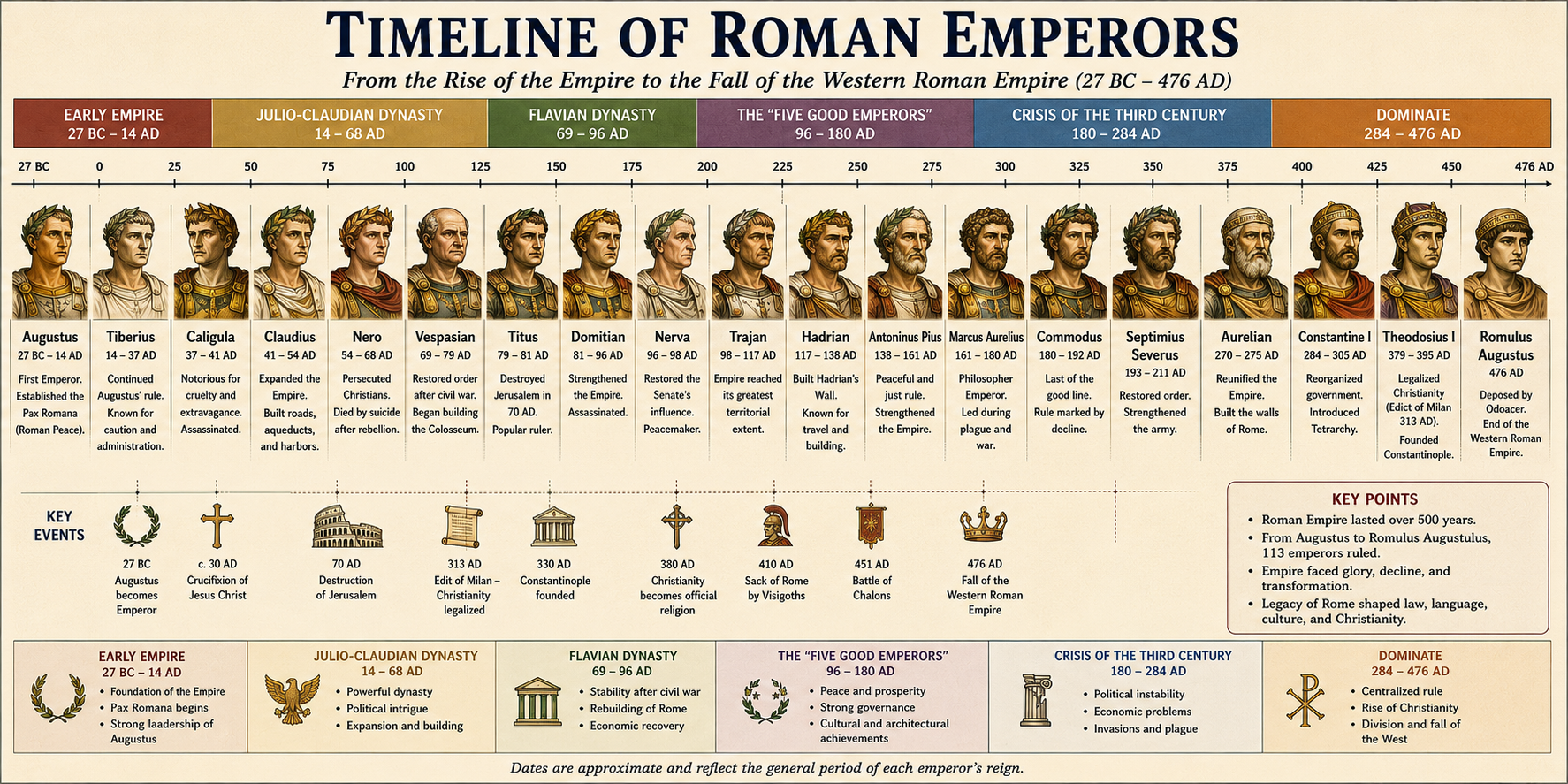
Constantine the Great reunited the Roman Empire after decades of civil war and transformed its relationship with Christianity. He favored the Christian church and founded Constantinople as an imperial capital.